

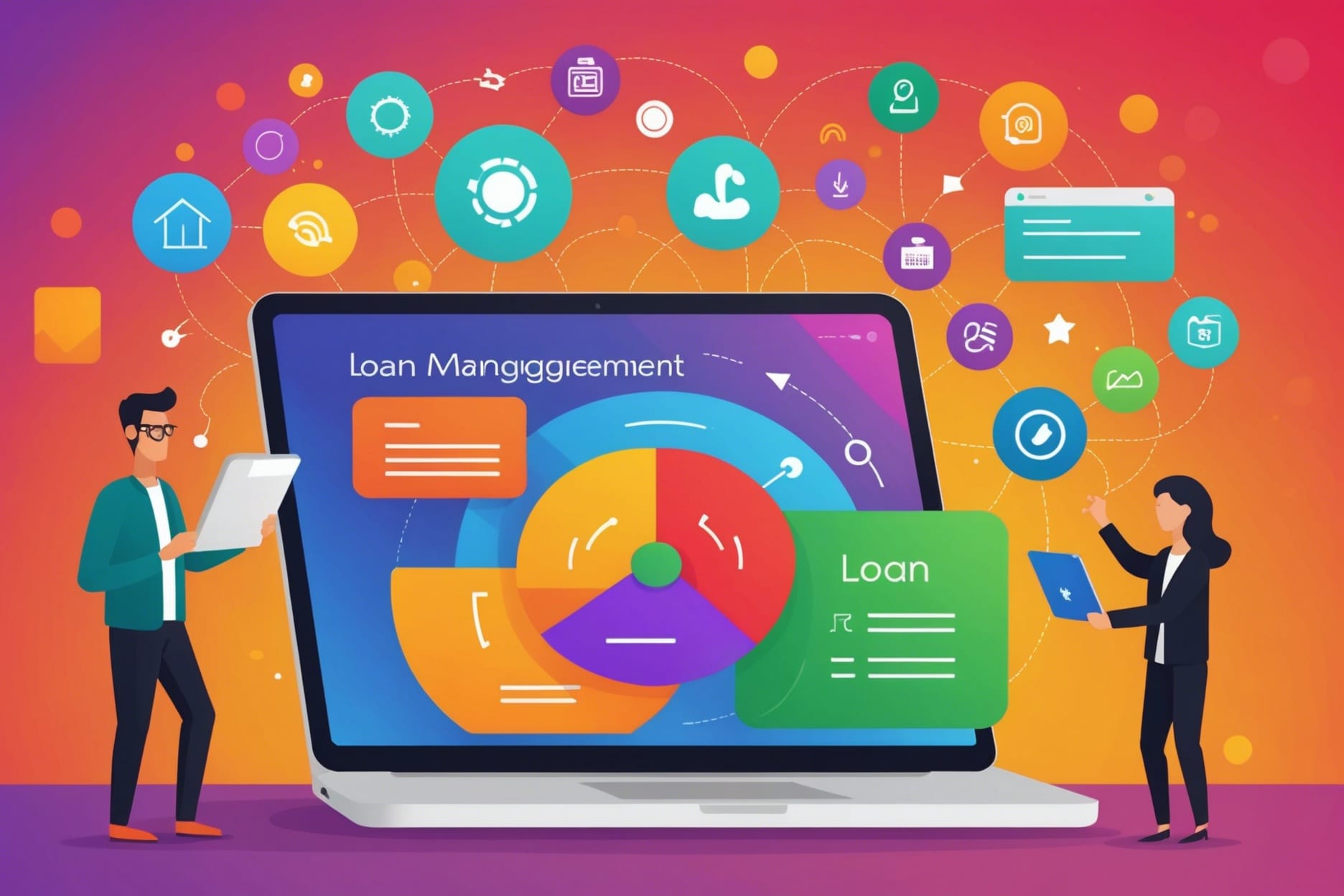
Loan Management Software in Kenya: In Kenya’s rapidly growing financial sector, managing loans efficiently and securely has become a cornerstone for success. Manual processes once dominated loan origination, tracking, and repayment, often resulting in delays, errors, and operational bottlenecks. Today, loan management software — digital platforms that automate the entire loan lifecycle — is transforming how financial institutions operate, especially SACCOs (Savings and Credit Cooperative Organizations), microfinance institutions (MFIs), and digital lenders.
What Is Loan Management Software in Kenya?
Loan Management Software in Kenya (LMS) refers to a suite of digital tools designed to manage loans from application to closure. These systems handle customer onboarding, credit assessment, loan disbursement, repayment tracking, accounting integration, and reporting — all within a centralized dashboard. Modern LMS platforms also integrate with payment networks (such as M-Pesa), banks, SMS gateways, and regulatory systems.
The Kenyan Context: Why It Matters
Kenya’s financial ecosystem is unique. Mobile money usage — especially M-Pesa — is widespread, creating seamless digital channels for lending and repayment. At the same time, the Central Bank of Kenya (CBK) and other regulators have introduced strict guidelines for digital lenders, requiring compliance, data security, and transparent reporting.
With tens of thousands of SACCOs and MFIs serving both urban and rural customers, the need for robust loan management software is greater than ever. According to industry data, over 65% of SACCOs and MFIs in Kenya are already using or actively exploring LMS solutions to modernize operations.
Key Features of Loan Management Software in Kenya
A good loan management system offers more than simple record-keeping. Here are the most valuable capabilities being adopted in Kenya:
🔹 Automated Loan Lifecycle Management
From digital applications and credit scoring to disbursement and repayment automation, LMS solutions streamline every step — significantly reducing processing times.
🔹 Integration With Local Payment Networks
Seamless connections with M-Pesa, Airtel Money, bank transfers, and CRB (Credit Reference Bureau) systems allow funds to move digitally and repayments to be tracked in real time.
🔹 Customer and Portfolio Management
Institutions get a complete view of borrower profiles, loan histories, repayment behavior, and risk exposure — helping them make better lending decisions.
🔹 Risk Assessment & Credit Scoring
Advanced systems include automated credit scoring, flagging high-risk borrowers and reducing defaults.
🔹 Notifications & Communication
Automated SMS and email alerts help remind borrowers about upcoming payments and overdue balances — improving on-time repayments.
🔹 Reporting & Compliance
Built-in analytics and reporting tools generate regulatory reports for CBK, SASRA, and internal audits — helping lenders stay compliant.
Top Loan Management Platforms in Kenya
Several LMS providers cater specifically to Kenyan lenders, each with strengths depending on the institution’s size and needs:
🌟 Superlender
Marketed as one of Kenya’s most robust systems for MFIs and digital lenders, Superlender supports loan tracking, customer profiles, M-Pesa/USSD integration, and over 60 reports, including compliance and performance dashboards.
📊 Repotrans
Designed for SACCOs, MFIs, and chamas, Repotrans offers cloud-hosted loan management with real-time payment updates, reconciliation automation, and easy-to-use dashboards.
💼 Mdeni
Mdeni focuses on loan lifecycle automation with features like credit scoring, automated SMS/Email communication, and branch management — ideal for institutions with multiple locations.
📈 Saccotek
A comprehensive loan and Sacco platform, Saccotek includes modules for loan refinancing, top-ups, rescheduling, write-offs, and detailed SASRA-compliant reporting, along with M-Pesa and bank integration.
💻 Kopo Loan Management System
A more affordable, cloud-based system suitable for small and medium lenders, Kopo manages applications, repayments, penalties, defaulters, and customer savings — ideal for institutions looking to digitalize without heavy upfront costs.

Benefits of Loan Management Software in Kenya
Investing in LMS brings a range of operational, financial, and customer experience benefits:
✅ Faster Processing & Efficiency
Automation eliminates manual entry and paperwork, reducing loan processing time and staff workload.
✅ Better Accuracy & Data Integrity
With centralized records and automated calculations, institutions drastically reduce errors common in spreadsheets and paper-based systems.
✅ Improved Customer Experience
Borrowers get fast approvals, transparent repayment schedules, and access to digital account portals — enhancing satisfaction and loyalty.
✅ Lower Default Rates
Automated reminders and credit risk tools help lenders monitor delinquent accounts and take proactive actions.
✅ Regulatory Compliance
Built-in reporting tools and audit logs make it easier to meet CBK, SASRA, and data protection requirements.
Choosing the Right System
When selecting LMS, Kenyan financial institutions should consider:
- Scalability: Can the system grow with your portfolio?
- Local integrations: Support for M-Pesa, bank APIs, and CRB systems.
- Ease of use: Intuitive dashboards for staff and member access.
- Support and training: Onboarding, customizations, and ongoing service.
Conclusion
Loan management software is no longer optional for financial institutions in Kenya — it’s a strategic imperative. By automating workflows, integrating local payment systems, and enhancing compliance and customer engagement, LMS platforms empower SACCOs, MFIs, and lenders to operate more efficiently, reduce risk, and scale with confidence. As Kenya’s financial landscape continues to embrace digitization, Loan Management Software in Kenya will remain crucial for financial inclusion, innovation, and sustainable growth.
